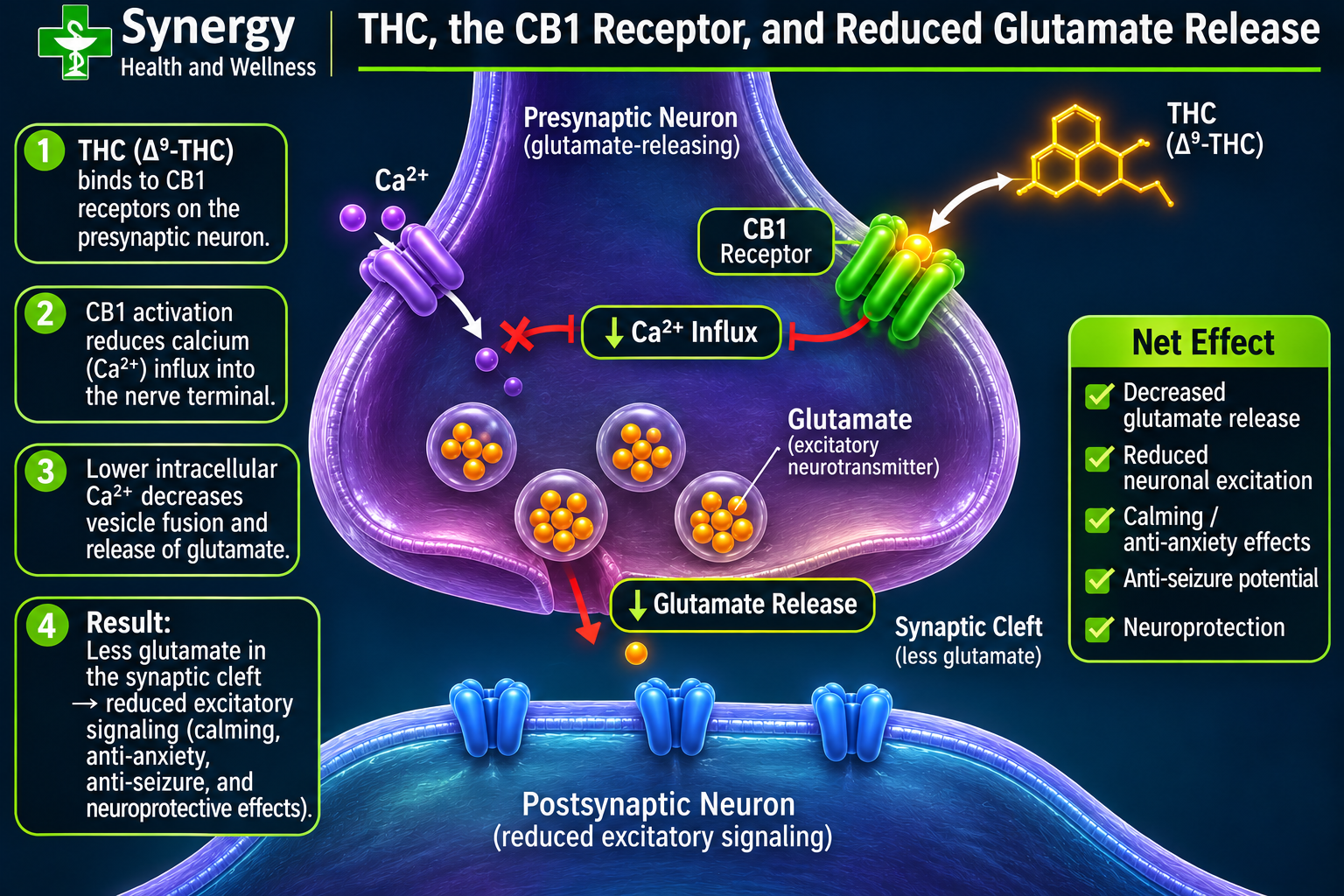
THC (tetrahydrocannabinol) interacts with CB1 receptors in the brain and nervous system. Activation of these receptors can reduce the release of neurotransmitters, including glutamate, influencing how nerve cells communicate. These effects contribute to THC's actions on pain perception, memory, and other neurological functions.
How THC affects CB1 Receptors
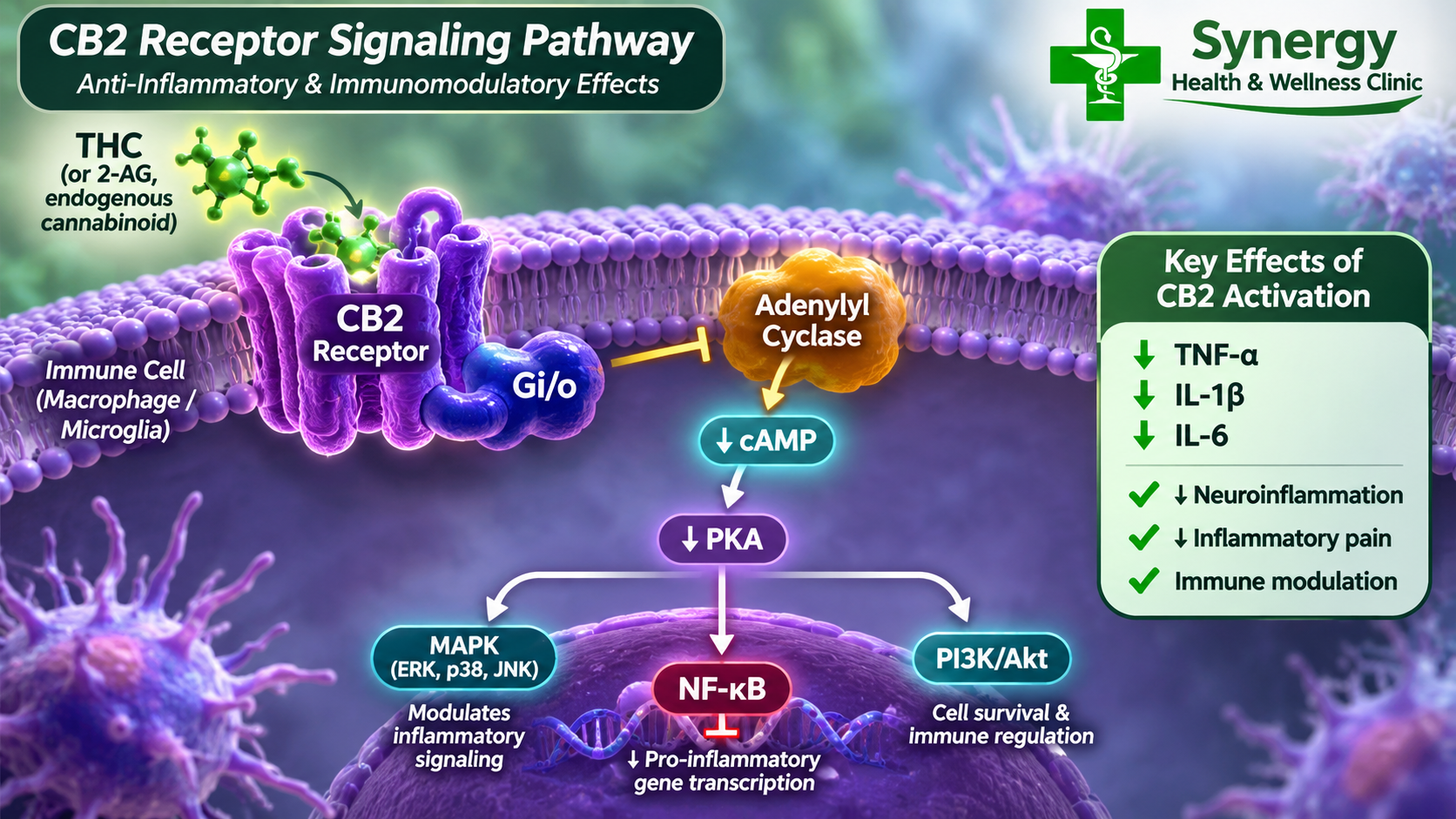
CB2 receptors are found primarily on immune cells, including microglia in the nervous system. When activated, these receptors signal through Gi/o proteins to inhibit adenylyl cyclase, reduce cAMP production, and influence downstream inflammatory pathways. Experimental studies suggest that CB2 activation may reduce the release of inflammatory cytokines and help regulate immune responses, although clinical applications remain under investigation.
CB2 Receptors: Immune Regulation and Inflammation
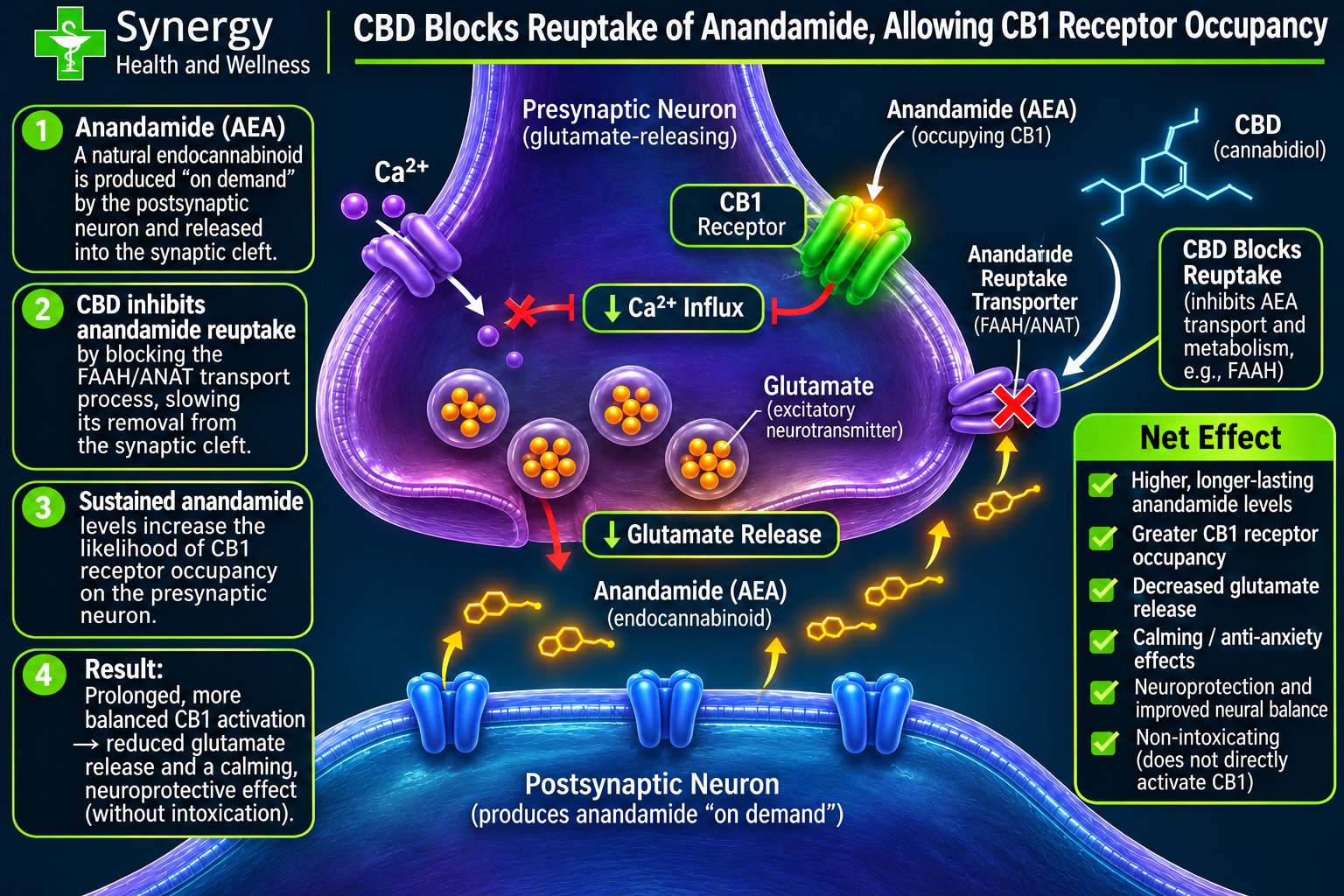
Unlike THC, CBD does not strongly activate CB1 receptors directly. CBD may influence endocannabinoid signaling, including anandamide availability, through indirect mechanisms.
Experimental research suggests that CBD can affect anandamide transport and metabolism, potentially altering signaling at CB1 receptors. However, the clinical significance of these mechanisms in humans remains under investigation.
These differences help explain why CBD and THC can produce different physiological effects.
CBD and the Endocannabinoid System
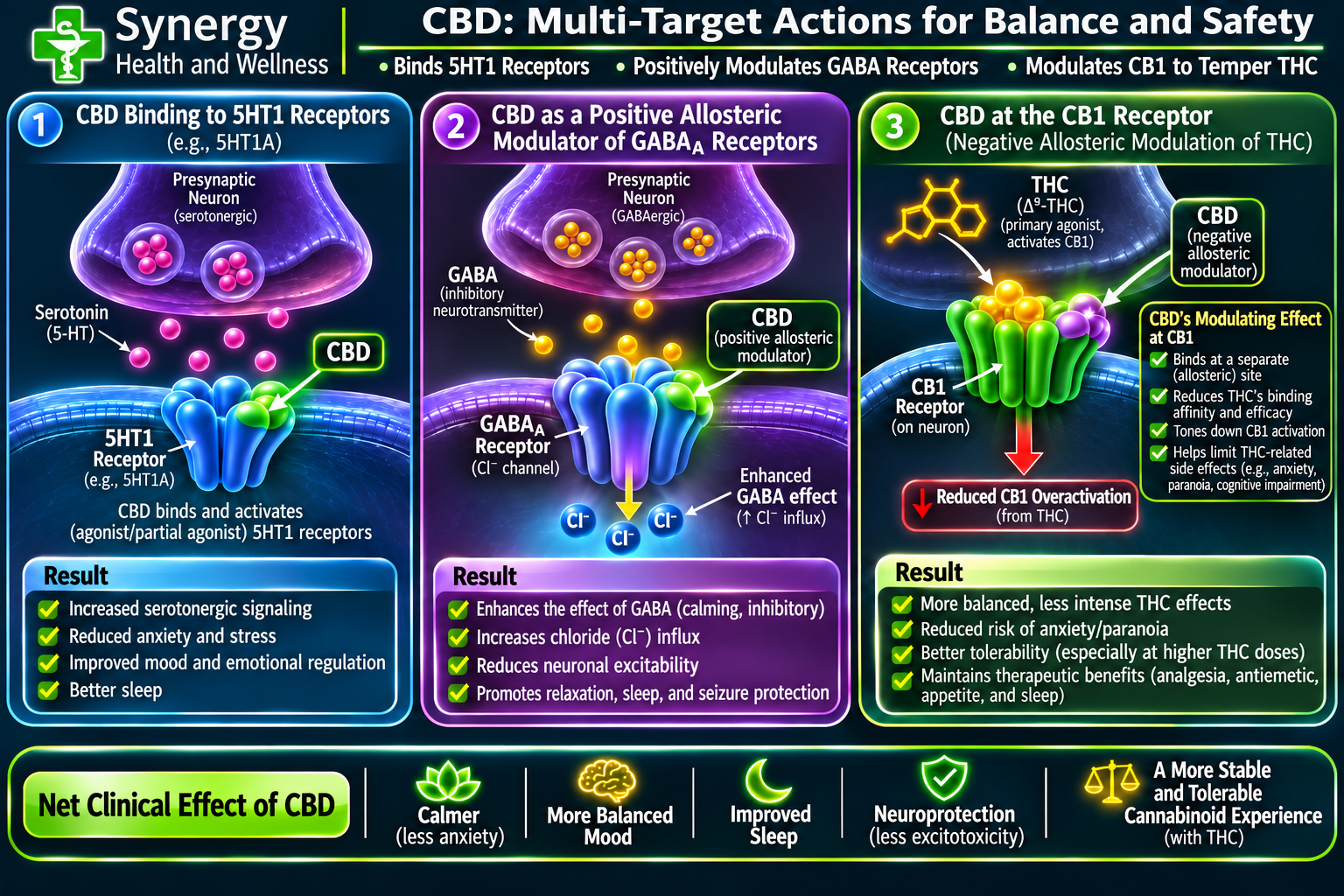
CBD (cannabidiol) influences several signaling systems in the brain and nervous system. Research suggests that CBD can modulate serotonin (5-HT1A) signaling, influence GABA-mediated inhibitory activity, and act as a negative allosteric modulator of CB1 receptors, potentially reducing some effects of THC. These interactions may contribute to CBD's effects on anxiety, neuronal excitability, and pain perception, although their clinical significance continues to be studied.
CBD Receptor modulation
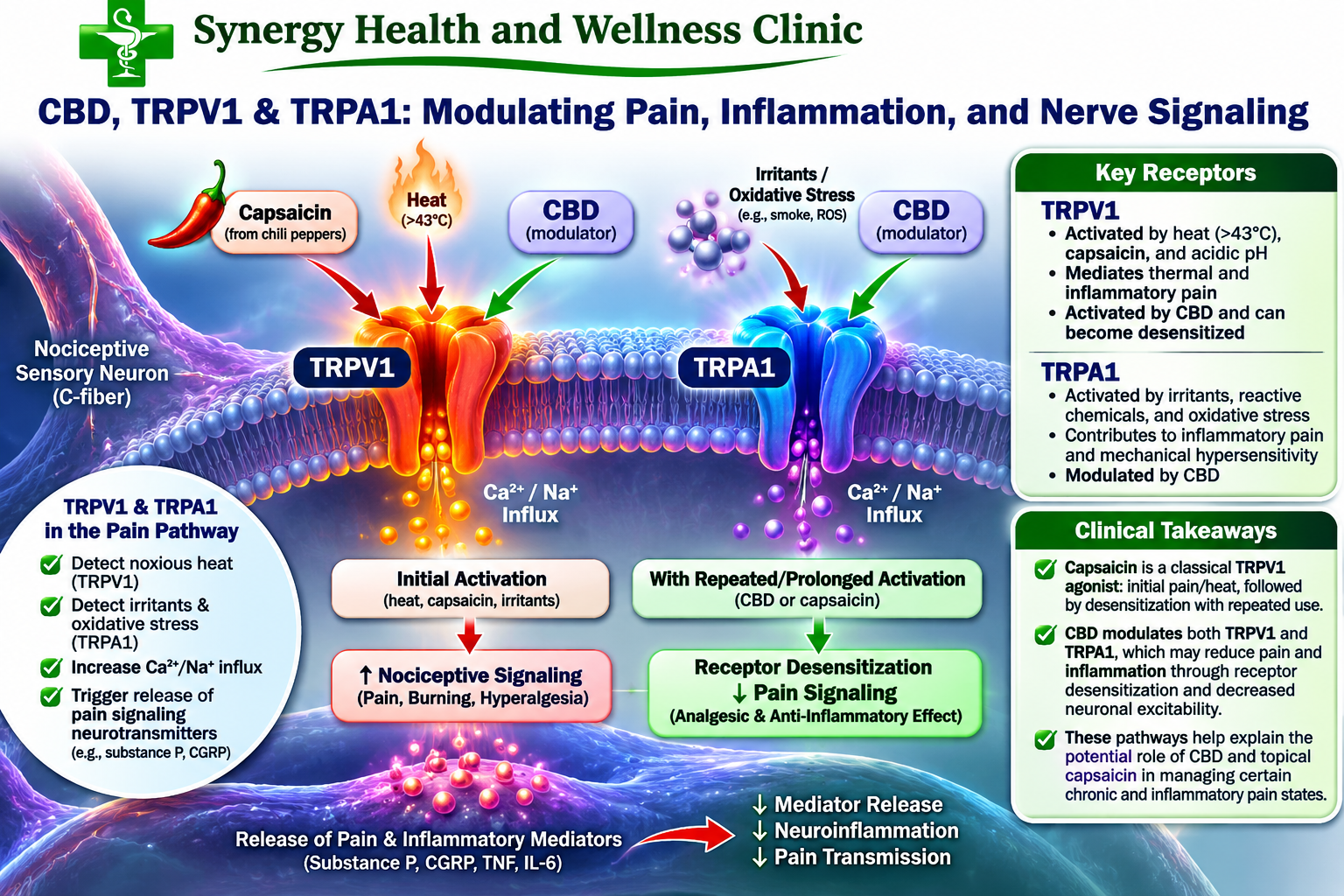
CBD and Pain Modulation: TRPV1 and TRPA1 Receptors
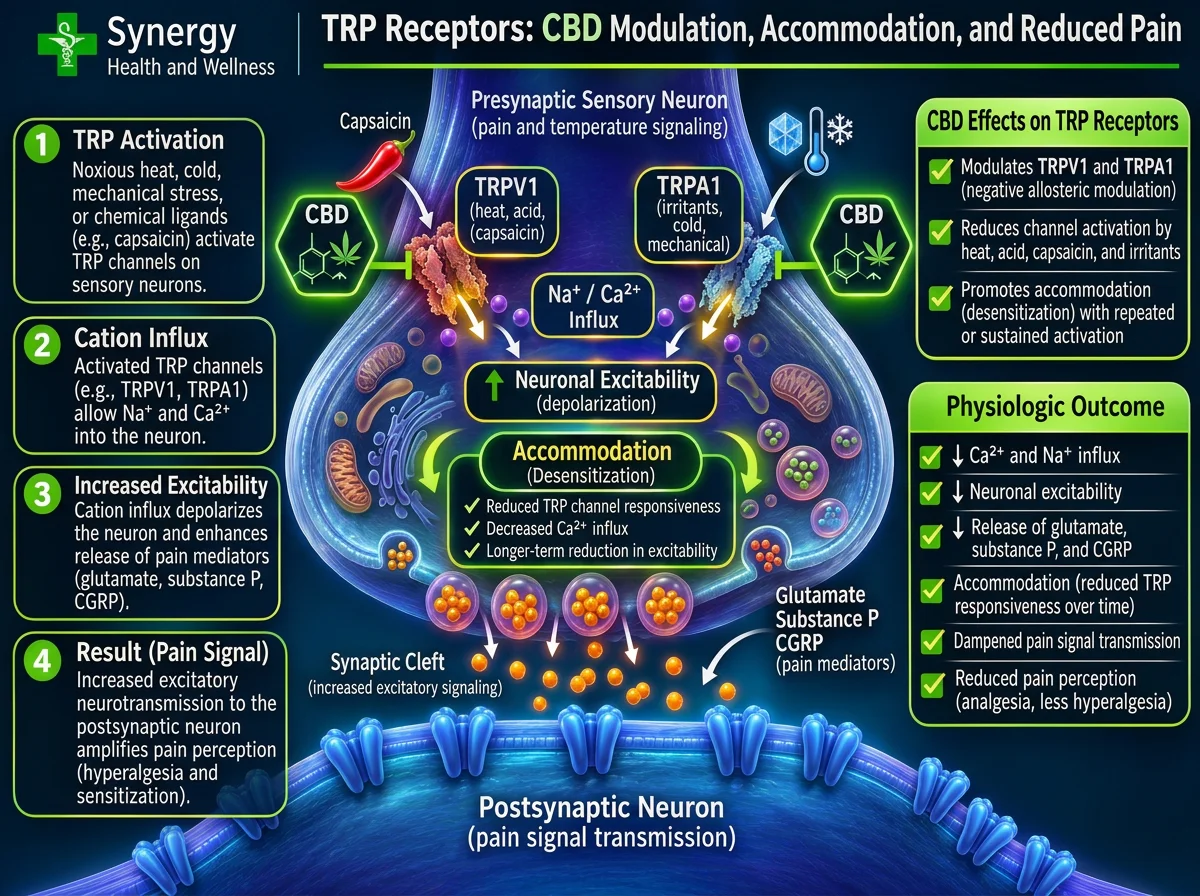
CBD interacts with TRPV1 and TRPA1 receptors, which help sensory nerves detect heat, chemical irritants, and potentially harmful stimuli. Experimental studies suggest that CBD can activate and subsequently desensitize these receptors, potentially reducing nerve sensitivity and pain signaling. These mechanisms may contribute to CBD's proposed pain-modulating effects, although clinical evidence in humans remains limited.
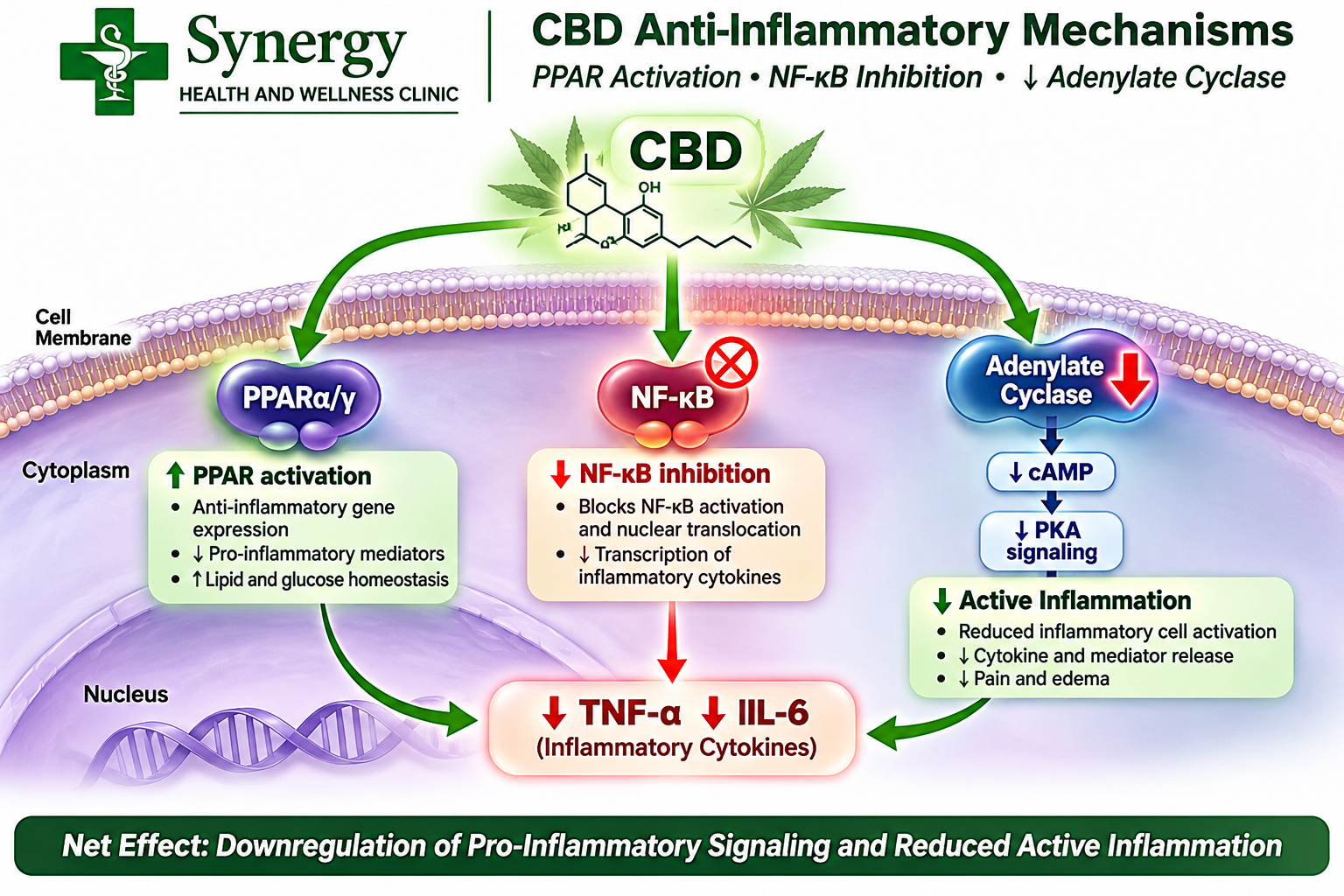
CBD may help regulate inflammation through several cellular signaling pathways. Experimental research suggests that CBD can activate PPARγ and inhibit NF-κB signaling, potentially reducing the production of inflammatory cytokines such as TNF-α and IL-6. CBD may also influence inflammatory responses in immune cells and neuroglia. These mechanisms suggest potential anti-inflammatory benefits, although their clinical effectiveness in humans requires further study.
CBD and Inflammation
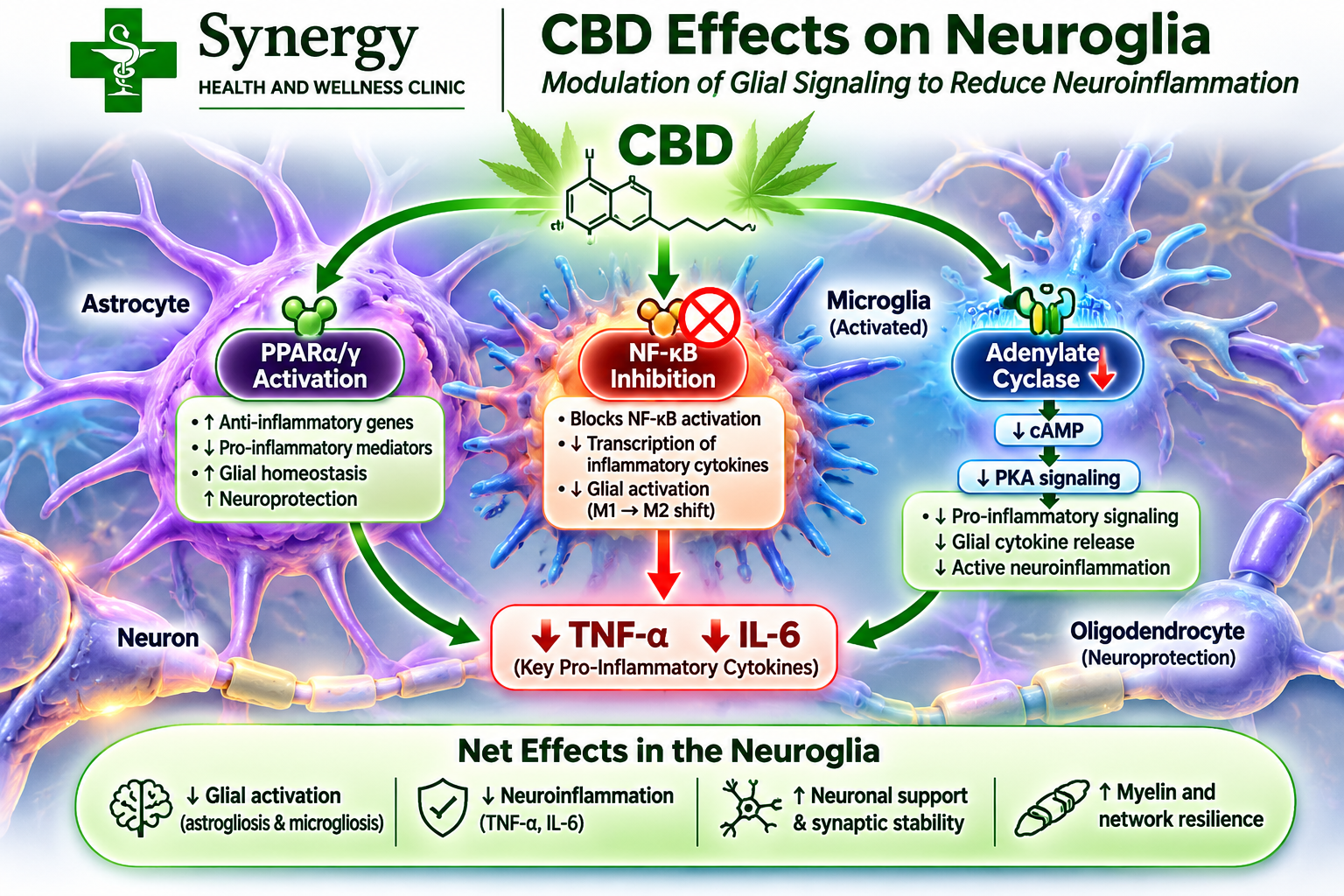
CBD may influence inflammation in the brain and nervous system by modulating the activity of microglia and astrocytes, cells involved in immune responses and neuronal support. Experimental studies suggest that CBD can reduce NF-κB signaling and the release of inflammatory cytokines, including TNF-α and IL-6. These effects may help limit neuroinflammation and protect nerve cells, although clinical benefits in humans remain under investigation.
CBD and Neuroglial inflammation
Understanding Cannabis Terpenes
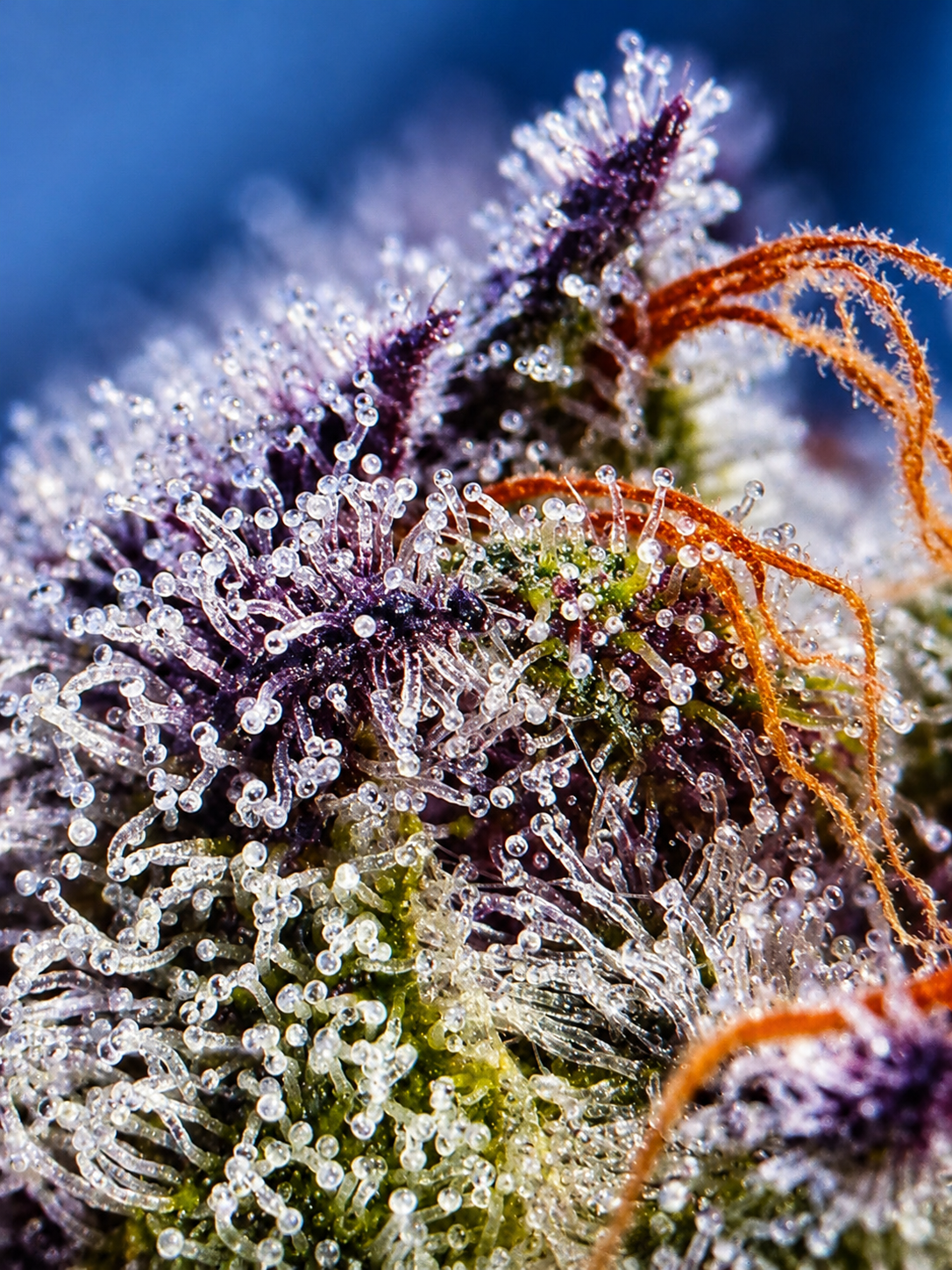
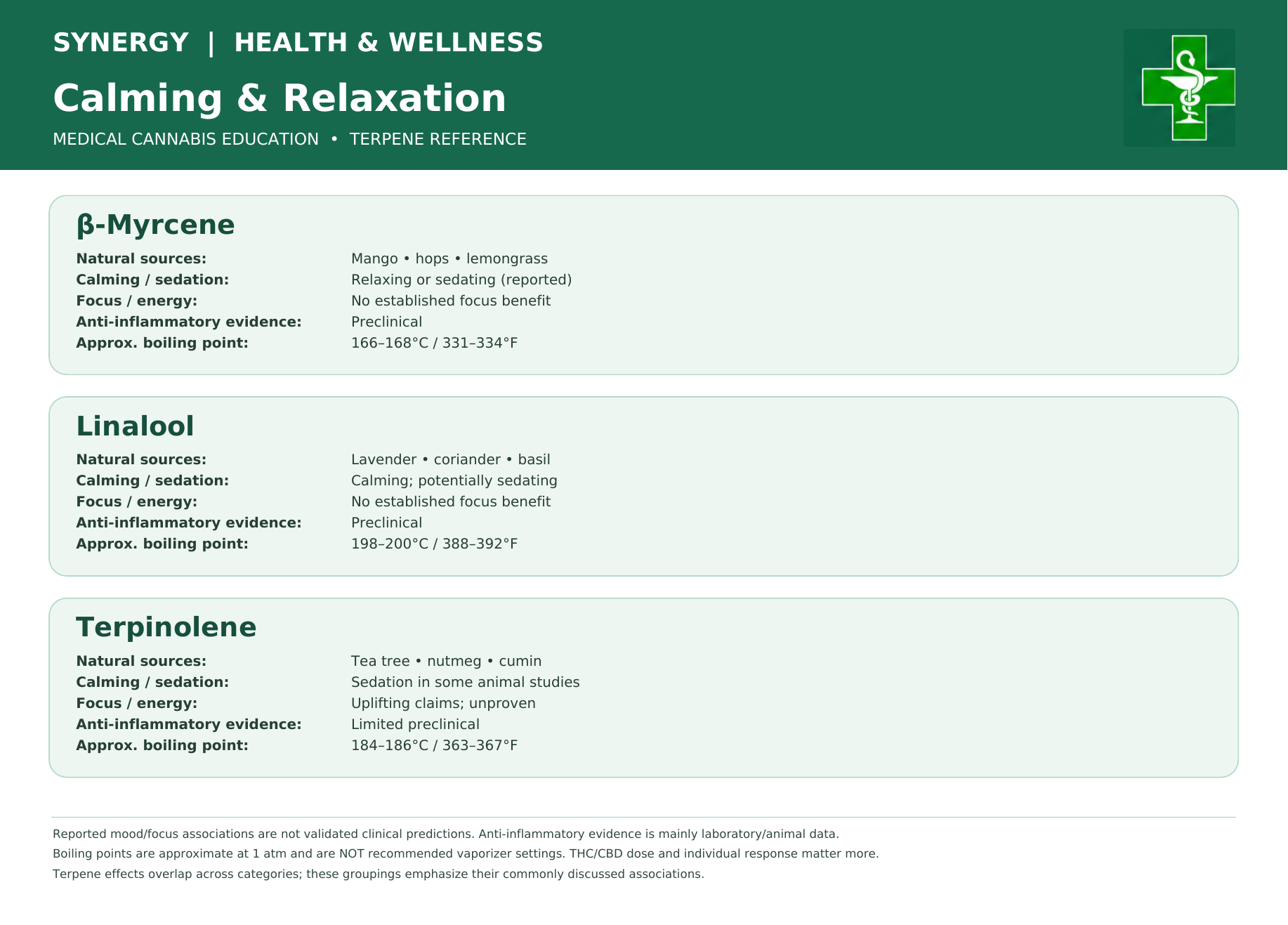
Terpenes are naturally occurring aromatic compounds found in cannabis and many other plants. They are produced in the Trichomes of the flower along with the cannabinoids. They contribute to the distinctive fragrance and flavor of different cannabis varieties. Common terpenes include myrcene, limonene, pinene, linalool, and beta-caryophyllene. Laboratory and preliminary studies suggest that some terpenes may have anti-inflammatory, calming, or other biological effects. However, their clinical effects in cannabis products, including the proposed "entourage effect," remain incompletely understood.
Common terpenes and reported effects
Terpenes contribute to the aroma and flavor of cannabis and may influence its biological effects. Some are associated with relaxation, alertness, or anti-inflammatory activity, although most evidence remains preliminary. The temperatures shown represent approximate boiling points, not recommended vaporizer settings. Individual responses depend on cannabinoid concentrations, dosing, and other factors.


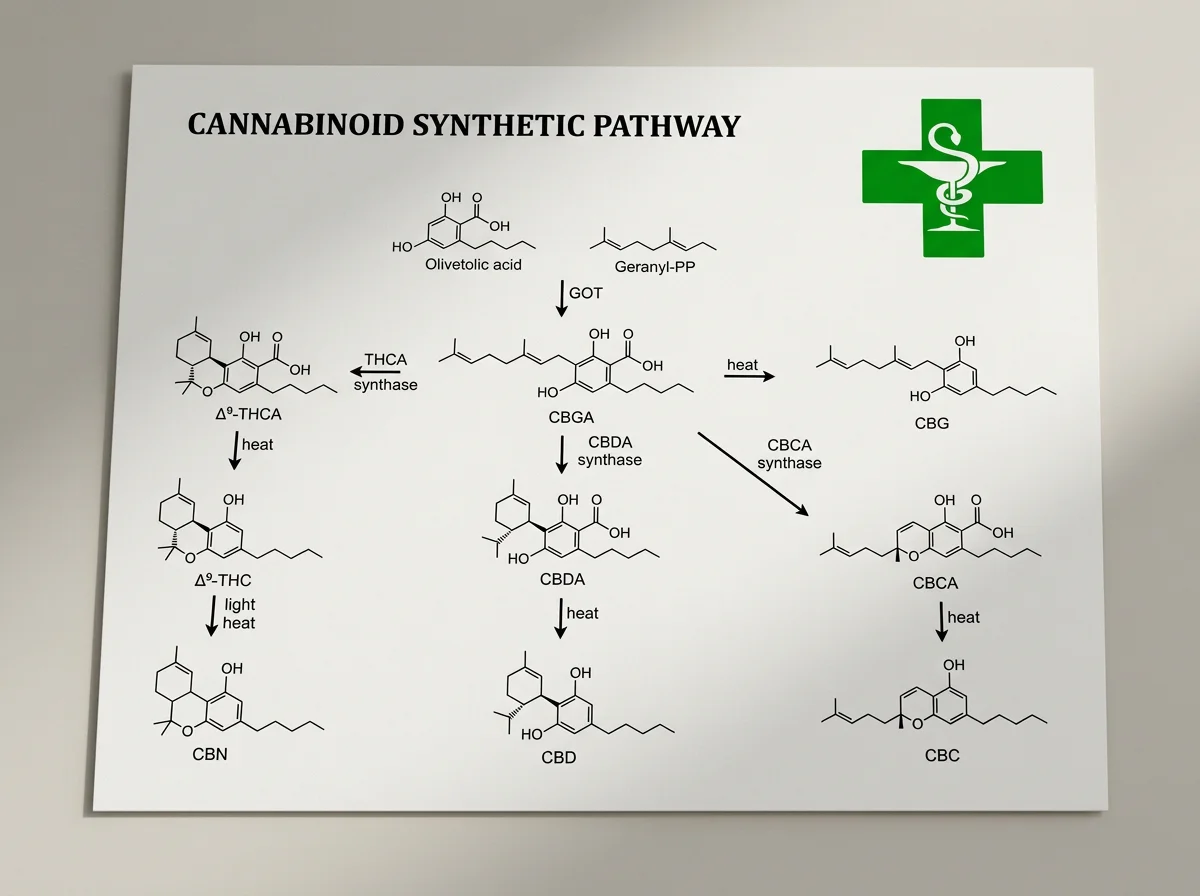
How Cannabis Plants Produce Terpenes and Cannabinoids

Cannabis plants produce terpenes and cannabinoids through interconnected biochemical pathways. Geranyl pyrophosphate (GPP) is a precursor for monoterpenes such as myrcene, limonene, pinene, and linalool. GPP can also be converted into farnesyl pyrophosphate (FPP), which is used to synthesize sesquiterpenes such as beta-caryophyllene and humulene.
GPP also contributes to cannabinoid synthesis by combining with olivetolic acid to form CBGA, a precursor of THCA, CBDA, and CBCA. These pathways help explain the chemical diversity of cannabis plants and the different combinations of cannabinoids and terpenes found among varieties.
Cannabinoids and Prescription Medication Interactions
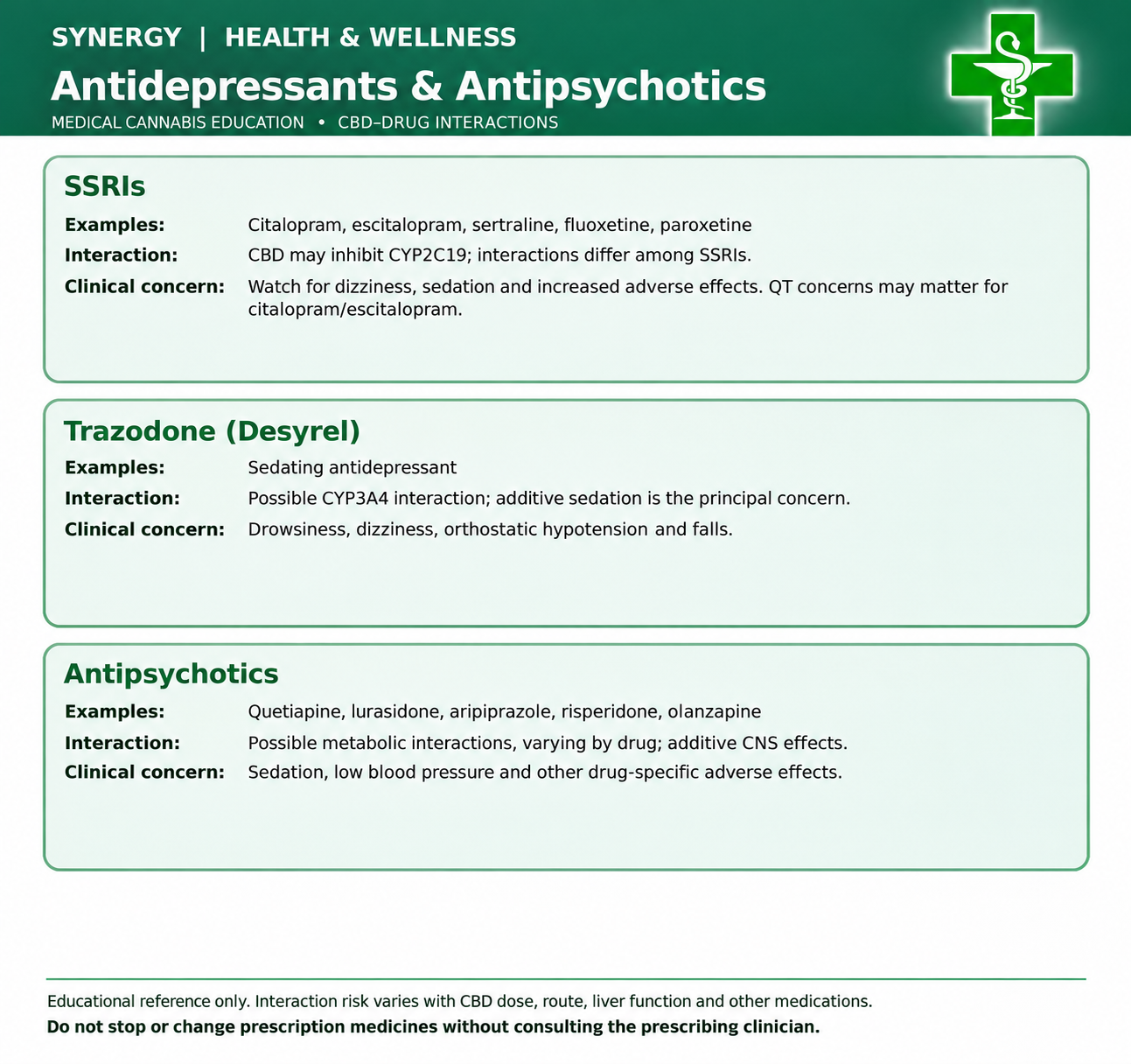
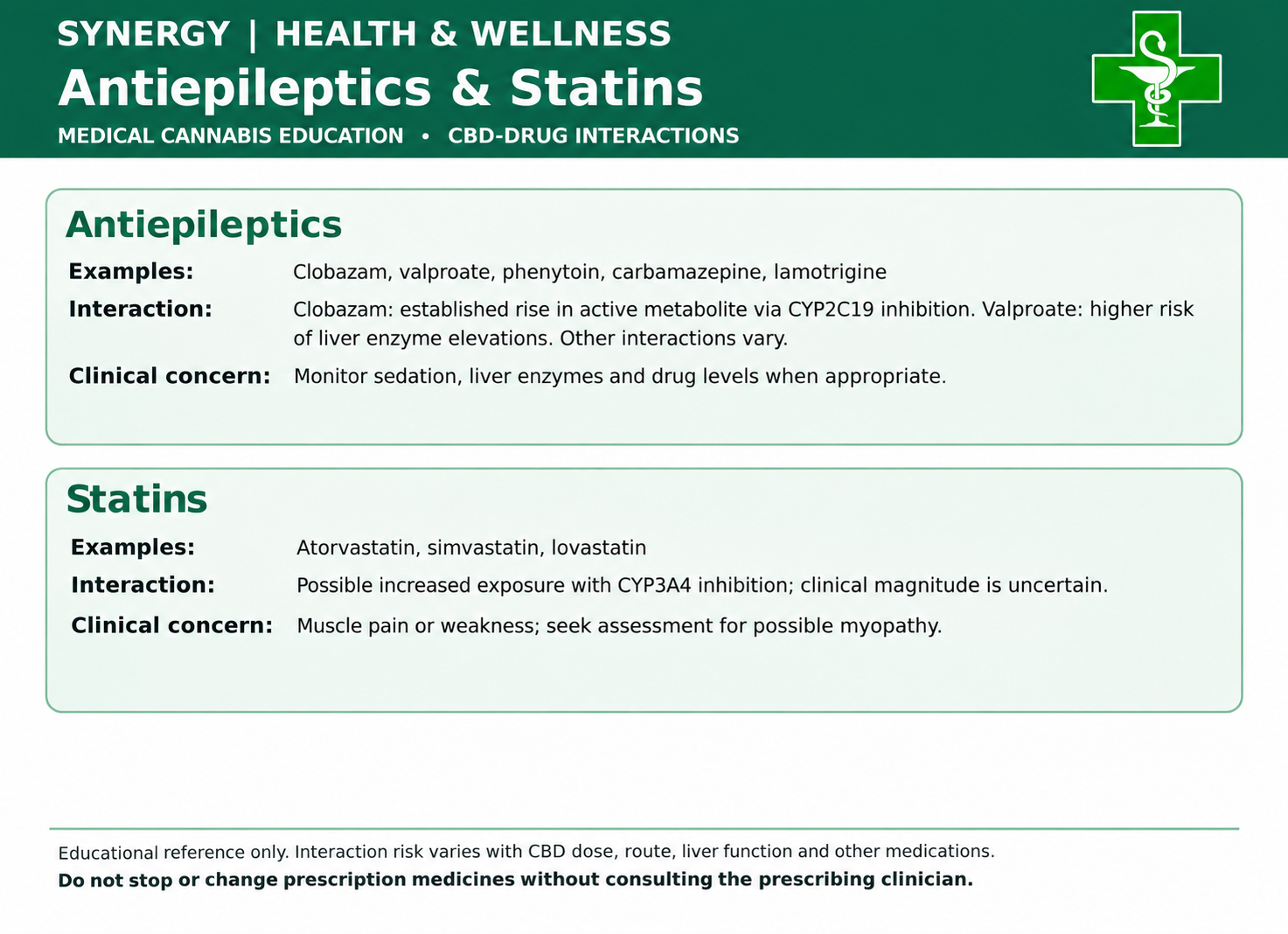
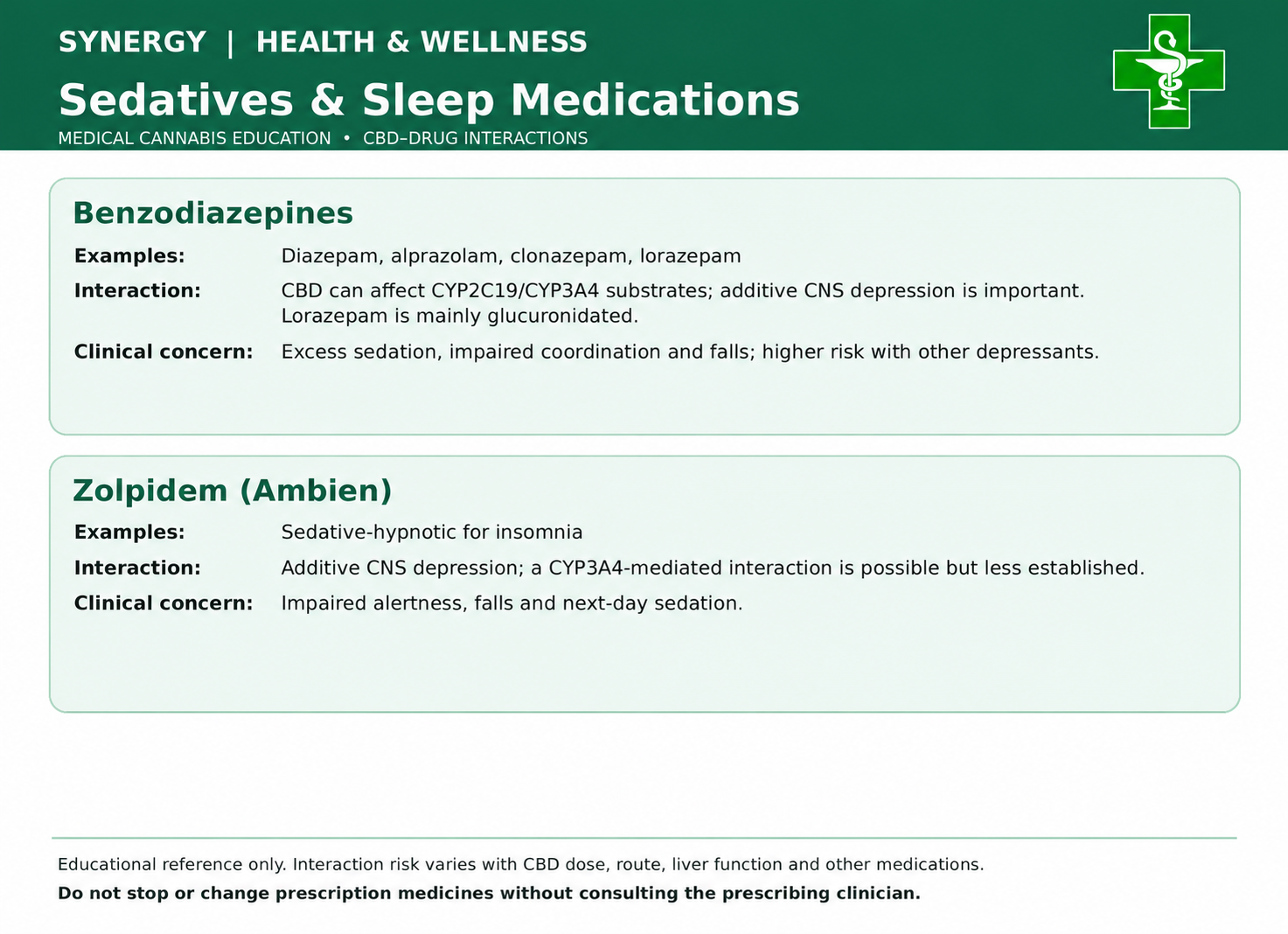
THC and CBD can interact with prescription medications by affecting liver enzymes involved in drug metabolism, particularly the cytochrome P450 system. CBD can inhibit certain enzymes, including CYP2C19 and CYP3A4, potentially increasing blood concentrations of some medications.
Clinically important interactions may involve antidepressants, benzodiazepines, antiepileptic medications, anticoagulants, and other commonly prescribed drugs. THC may also increase sedation and impairment when combined with medications that affect the central nervous system.
Patients should review their medications with a qualified healthcare professional before starting or changing cannabinoid treatment.
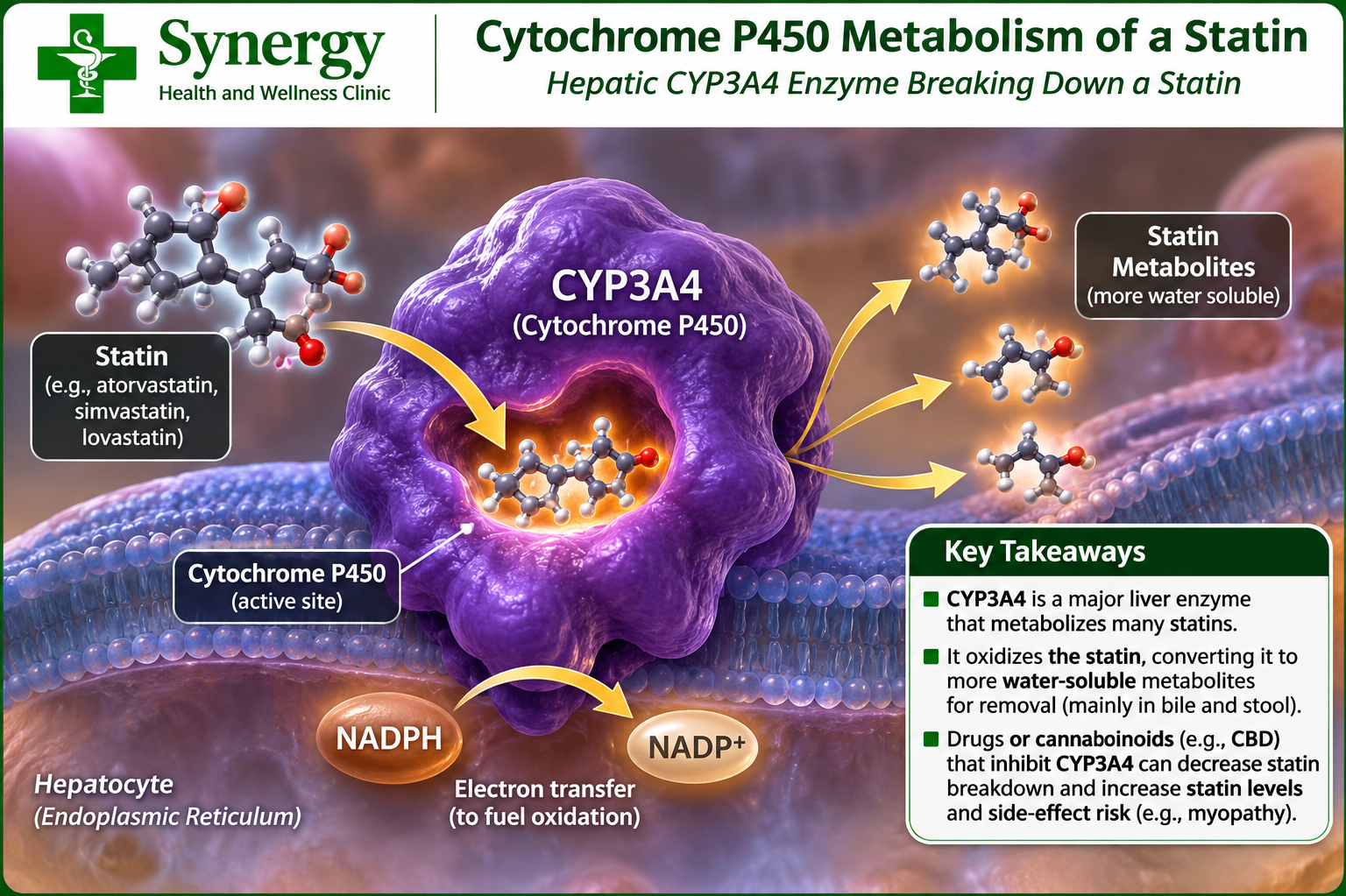
Patient Safety Note: CBD may affect the metabolism of certain prescription medications, potentially increasing medication concentrations or adverse effects. The clinical significance varies by medication, dose, and individual patient factors. Consult your prescribing healthcare professional before combining CBD with prescription medications. Do not discontinue prescribed medications without medical guidance.
CBD and Prescription Medication Interactions.